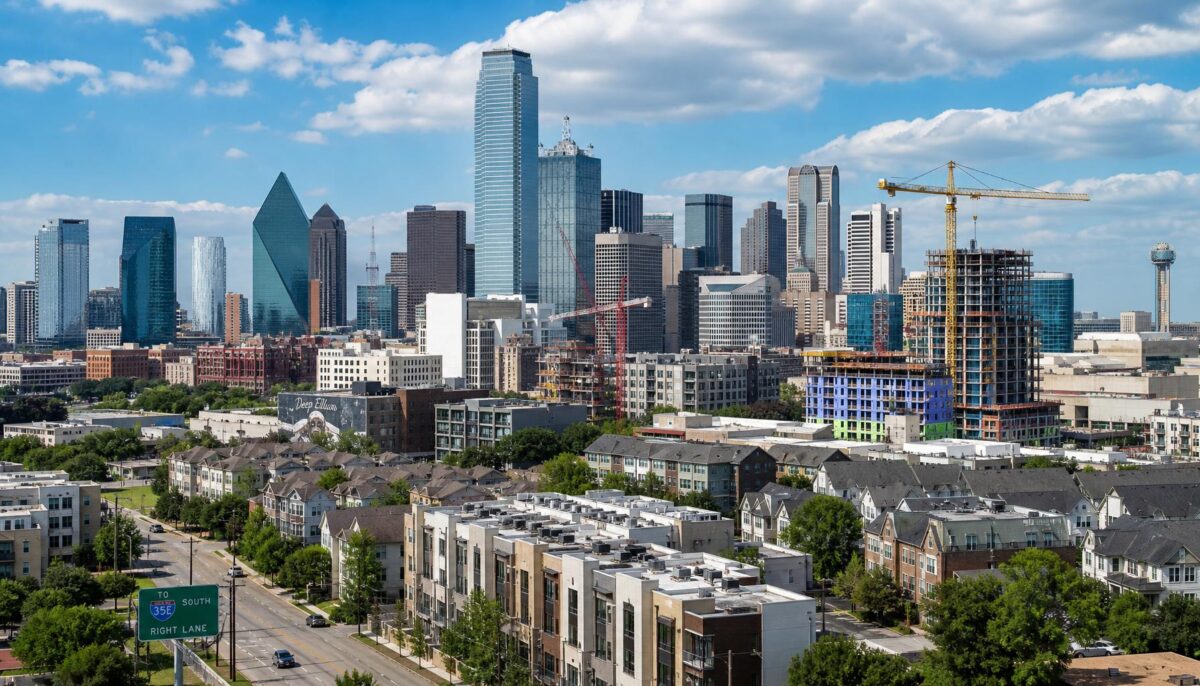
Rising Stars: Top New Businesses Making Waves in Dallas

1. Sip & Sonder: This unique coffee shop combines community spaces with entrepreneurial resources, ensuring patrons can enjoy a superb cup of coffee while planning their next big venture. The founders have carefully curated an atmosphere that promotes creativity and networking, resulting in a business that stands out among traditional coffee shops. Sip & Sonder is positioned for success due to its unique spin on coffee culture – it’s not just about caffeine; it’s about creating relationships and fostering entrepreneurship in Dallas.

2. Element Body Lab: Specializing in nonsurgical fat loss treatments, Element Body Lab uses state-of-the-art technology to provide customers with safe, effective, and comfortable solutions to their body goals. The company prides itself on its warm and friendly service with tailored treatments based on individual needs. With growing interest in wellness and appearance, Element Body Lab is poised for success due to its focus on technology-driven body solutions.

3. Fount Board & Table: A unique specialty cheese shop, Fount Board & Table is quickly making a name for itself within the Dallas community. Known for their beautiful and carefully curated cheese boards, they offer walk-in, pre-order, and catering services. As a business dedicated to showcasing superior artisan cheeses and produce, their unique menu offering sets them apart in the food industry. They’ve already developed a robust following on social media, a clear sign of their growing importance among Dallas’ food aficionados.

4. One90 Smoked Meats: Specializing in smoked meats, this food shop is breaking the traditional barbecue business mold by packaging their smoked delicacies for individuals to enjoy at home. They have a varied menu that includes everything from brisket to smoked salmon, which they smoke to perfection for a unique and delectable flavor. Their unique product and distinct taste make them a standout business within the Dallas culinary scene.

5. Dallas Mobile Glass: This auto service takes convenience to a new level, bringing windshield repair and replacement directly to the customer. With their commitment to professional service and quality, Dallas Mobile Glass is making a positive impact by providing a much-needed convenience for Dallas’ busy residents. This customer-centric business philosophy has them set up for immense success as more individuals seek out services that align with their time constraints and personal schedules.

6. Full City Rooster: This coffee roasting studio offers a unique approach to coffee culture, providing customers with artisan coffee while educating about the complexities of coffee. The business offers coffee tasting classes and tours, making it an integral part of the culinary scene in Dallas. Their unique educational component and top-notch coffee products put Full City Rooster in a strong position for success.

Each of these businesses breaks the mold in their own way. By offering products and services designed to meet specific needs and interests, they’re poised to make a significant impact on Dallas’s economy and community.

Emerging Tech Hubs: How Dallas is Becoming the New Silicon Valley

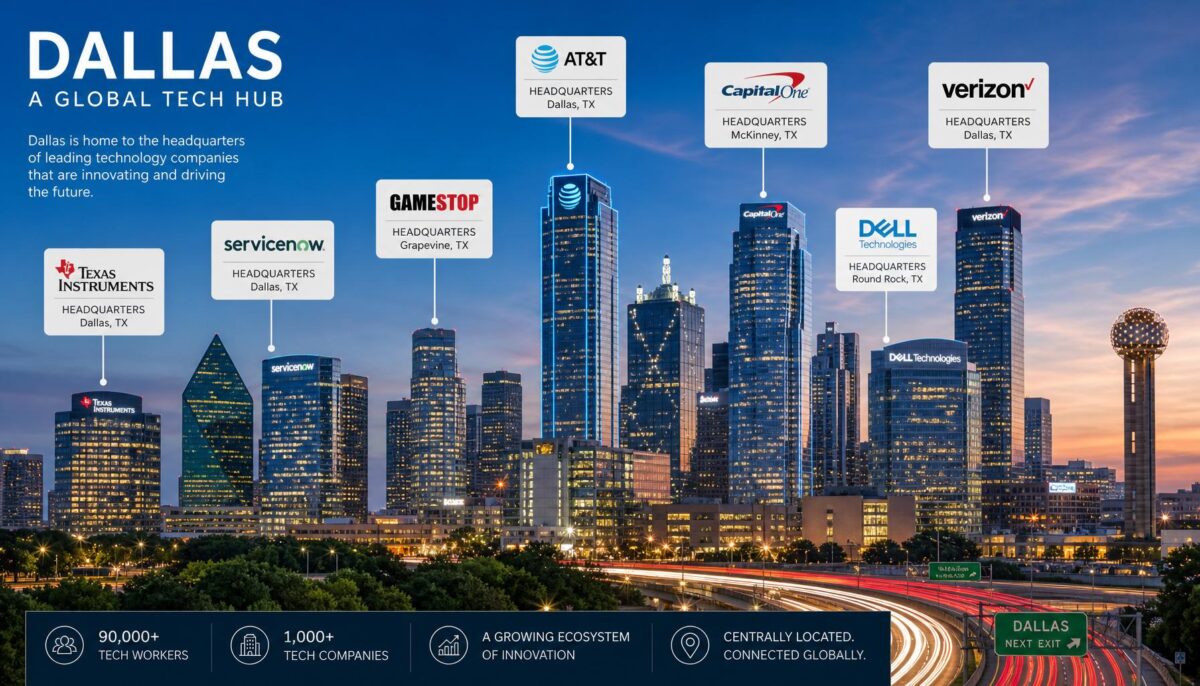
Dallas, once known primarily for its dominance in the oil and gas, real estate, and telecommunications sectors, has evolved into a thriving tech hub over the past two decades. The city has seen consistent growth in its tech industry, combining a rich tech talent pool, a lower cost of living compared to other tech hubs, a welcoming business environment, strategic location, and a proactive approach towards technological advancement.

The evolution of Dallas as a leading tech hub can be attributed to several factors. Employment in the tech industry in the Dallas-Fort Worth area has risen dramatically, with tech companies like Texas Instruments and AT&T having a significant presence there. The area has also seen an influx of tech startups, with Dallas being ranked as one of the top cities for tech startup growth.

Another important factor that has contributed to the rise of Dallas as a tech hub is access to talent. Dallas is home to several universities that produce a high number of STEM graduates. The University of Texas at Dallas notably has one of the top computer science programs in the U.S., providing a steady stream of tech talent to the city’s growing tech industry.

The Dallas tech boom has had a significant impact on the local economy. It has created a plethora of high-paying jobs, attracting tech professionals from all over the country. Besides, it has stimulated economic activity in other industries like real estate, retail, and food services as more money is spent locally.

In terms of the real estate market, the tech boom has influenced both commercial and residential real estate. On the commercial side, the demand for office space by tech companies has been robust. For instance, Uber announced plans to open a large office in Dallas, with thousands of employees. On the residential side, the influx of high-paying tech jobs has increased demand for housing, pushing home prices higher. This trend has been more pronounced in neighborhoods close to tech companies.

However, the growth in the tech industry also poses challenges likely to influence policy-making in coming years. Affordable housing could become a significant issue if the trend of rising home prices continues. In addition, ensuring that the benefits of the tech boom are broadly shared and do not result in increased income inequality might also need to be addressed.

Overall, the evolution of Dallas as a leading tech hub is a significant boost for the city’s economy. It presents opportunities and challenges, both of which need to be skillfully managed to ensure sustainable development. With its diverse economy, rich talent pool, and favorable business environment, Dallas is well-positioned to continue to thrive as a leading tech hub.

Rise of Virtual Offices: New-age Business Trends in Dallas

Dallas businesses, akin to many others across the globe, have fully embraced the shift to remote work caused by the global COVID-19 pandemic. Businesses have needed to adapt quickly by incorporating various digital technology tools to ensure continuity in their operations. This move towards virtual offices has proven to be fruitful, yielding benefits like cost savings, improved productivity, and increased access to a diverse talent pool.

1. Technological adaptation: Companies have shifted their operations to digital platforms like Zoom, Microsoft Teams, and Google Meet to facilitate meetings and other group communications. Project management tools such as Asana, Trello, or Basecamp are now commonplace.

2. Training and development: Dallas businesses also ensure continuous training and development using e-learning platforms or personalized learning portals, so employees can hone their skills from home. Salesforce, for instance, provides myTrailhead which allows businesses to create custom online training materials.

3. Remote hiring: Many Dallas firms are now seeking talent from beyond the local workforce. This opportunity opens more avenues to access a diverse range of skills and experiences.

4. Cybersecurity: In light of heightened cybersecurity risks, Dallas businesses are informing and enforcing strict cyber hygiene practices among their workers. Many have employed Virtual Private Networks (VPNs) and multi-factor authentication to enhance security.

5. Office expansion: Instead of leasing additional physical space, companies are investing in SaaS solutions that help manage remote teams, reducing fixed costs and long-term commitments.

6. Boosting Morale: Many Dallas companies are finding ways to maintain a positive work culture despite the virtual setting. Companies like AT&T, for example, have virtual happy hours and wellness check-ins.

7. Performance tracking: To maintain productivity and performance levels, businesses are adopting performance or productivity tracking software. Applications like Workday and Monday.com are used to monitor progress on assigned tasks.

Overall, the Dallas business scenario depicts a successful case of pandemic-induced transformation, suggesting that the shift towards remote working might sustain in the post-pandemic world too.

The Expanding Horizons: Dallas Real Estate Innovation

Dallas real estate is experiencing a significant transformation thanks to innovative technologies and strategies that are reshaping the market. This evolution is seen in various areas, including property searching, investing, construction, property management, and even in green revolution. The implications for investors and homeowners are vast and will potentially alter the way they interact and engage with the real estate market.

1. PropTech Innovation:
Perhaps the most notable change can be seen in PropTech, or property technology, where tech start-ups are changing the way people research, rent, buy, and manage real estate. Companies such as Zillow, Redfin, and Trulia are making it easier for consumers to find and buy homes, with virtual and 3D tours becoming the norm. This shift has significant implications for Dallas investors who may see a higher quality of piqued interest and engagement from potential homeowners and renters.

2. Construction Technologies:
The adoption of construction technologies such as Building Information Modeling (BIM), drones, and 3D printing are enabling more efficient and cost-effective construction in Dallas. For instance, companies like Skender are prefabricating modular houses in factories, reducing construction time by as much as 50%.

3. Smart Homes:
Smart home technology is another innovation reshaping Dallas’s real estate industry. Devices that control lighting, security, temperature, and other home attributes provide invaluable convenience and efficiency for homeowners, potentially driving up property values.

4. Blockchain and Real Estate Investing:
Blockchain technology is paving the way for a more transparent, secure, and fast property buying process. Start-ups like Propy are using blockchain to simplify the home buying process by reducing the need for paper chains, thereby speeding up the transaction. Additionally, the tokenization of real estate, allowing property to be bought and sold in fractions, is making real estate investing more accessible, providing Dallas investors with new and diverse investment opportunities.

5. Sustainable Construction:
With the green revolution gaining momentum, developers in Dallas are adopting sustainable construction methods such as LEED-certified builds and energy-efficient materials. This encourages potential homeowners aiming to reduce their carbon footprint while offering cost savings in the long term.

In conclusion, these innovative trends in the Dallas real estate market are accelerating real estate transactions, ensuring better return on investments, lowering costs, enhancing living experience, and creating a sustainable community. However, as with every innovation, it also demands from investors and homeowners to adapt and rethink traditional ways of doing business in real estate. Understanding these innovations will better equip them to navigate and thrive in this changing landscape. They must also be prepared to challenge the status quo and embrace new technologies and practices to leverage their benefits fully.

The Pioneering Role of Dallas in Ushering New Business Ventures

Dallas, Texas, has emerged as one of the most entrepreneurial cities in the United States. Boasting a bustling start-up scene with a broad array of thriving industries, from technology to retail, healthcare to aerospace, its diversity and dynamism are at the heart of the Big D’s cultural renaissance.

The entrepreneurial culture in Dallas is powered by a vibrant ecosystem of resources, funding options, coworking spaces, mentorship programs, and networking events. This vibrant, dynamic business environment ensures entrepreneurs of all stripes can flourish and expand.

In terms of resources, the city features various prominent business incubators and accelerators, such as the Dallas Entrepreneur Center (DEC) and Tech Wildcatters. These organizations provide structured mentorship programs and training to help startups grow, connecting them with seasoned industry professionals and investors.

Tech-based entrepreneurship in Dallas has also seen an impressive surge. This is largely due to the cluster of highly innovative tech startups in sectors like telecommunications, mobile applications, cybersecurity, and renewable energy. Beyond this, the city has been dubbed the ‘Silicon Prairie’ due to the significant number of tech companies and new tech talent that it attracts.

What sets Dallas apart is its supportive community and culture of collaboration. Dallas entrepreneurs are known for their willingness to assist one another, sharing advice, connections, and resources to help each other succeed. Various city-wide entrepreneurial events, like Dallas Startup Week and Big Ideas Dallas, facilitate these connections and encourage the sharing of ideas.

Furthermore, the city has a strong sense of risk-taking and innovation, factors that are critical in pushing the entrepreneurial ecosystem to new heights. The high level of business activity is fueled by a combination of local talent, a strong economy, a healthy job market, and a cost of living that’s lower than other major tech cities in the U.S.

The strategic location of Dallas also adds to its appeal. Situated in the middle of the country, it makes an ideal hub for businesses hoping to reach markets in the east and west coasts, or for those looking to expand internationally.

Dallas also promotes inclusivity in its entrepreneurial scene. Forbes reported that Dallas is among the top U.S. cities for minority entrepreneurs. The city continues to cultivate a diverse and inclusive entrepreneurial scene, encouraging innovation across the spectrum.

In the realm of funding, a range of angel investors, venture capital firms, and public grants are available for Dallas startups. For example, the Dallas Angel Network (DAN) and Dallas Innovation Fund are just a few of the entities eager to invest in promising local ventures.

All these elements combine to make Dallas a formidable entrepreneurial hub. This strong entrepreneurship culture highlights Dallas’ potential to be one of the future global leaders in business and innovation.

Exploring the Rapidly Evolving Landscape of Dallas Real Estate Developments

Dallas, known for its bustling economy and diverse employment opportunities, has experienced significant changes and trends in its real estate sector in recent years. Many innovations are also marking the recent developments in this fast-evolving market.

Increased Demand for Residential Properties:
Dallas has been witnessing a surge in demand for residential properties, encouraged by lower interest rates and a growing economy. The rise in single-family homes’ sales, particularly in suburban areas, is also a notable trend. The unprecedented demand has resulted in a rapid increase in property values, benefiting both homeowners and investors alike.

Shift towards Office Spaces in Suburban Areas:
As a response to the COVID-19 pandemic and adoption of remote working trends, companies are moving from downtown high-rises to office spaces in suburban areas. This move is fueled by the need to provide employees with ample personal space in an affordable setting. This trend has led to an uptick in commercial property investments in suburban areas of Dallas.

Influx of Technology in Real Estate:
Technological advancements play an integral role in Dallas’s real estate sector. Virtual tours, AI-based property management software and marketing tools are increasingly being adopted. Proptech firms are offering software as a service (SaaS) solutions for everything from property management, real estate transactions, customer relationship management (CRM), and more.

Environment-Friendly Buildings:
Another trend is the move towards green, sustainable buildings. Dallas is seeing a rise in LEED-certified buildings, which align with the global shift towards environmentally-friendly solutions. Building projects in Dallas are increasingly incorporating resource-efficient models including solar panels, smart insulation, and aids in water conservation in their design.

Increased Use of Big Data:
Real estate investors and brokers are leveraging big data for predictive analysis. Accurate predictions on real estate trends and values help stakeholders make informed decisions. Big data assists in gauging the success of new development projects, analyzing market trends, and understanding customer behavior.

Rise in Luxury Housing Segment:
The demand for luxury homes has escalated in Dallas, fueled by a rise in high-net-worth individuals. These luxury properties offer high-end amenities such as smart home technology, gourmet kitchens, gyms, and home theaters.

Renting Over Buying:
Dallas has seen a shift in preference from buying to renting, especially among millennials. As a result, there’s been a boom in the construction of rental properties in the city.

Wrapping Up:
It is clear that the Dallas real estate sector is evolving rapidly, with emerging trends driven by technological advancements, changes in work culture, and shifts in lifestyle preferences. While it presents new opportunities, it also necessitates a dynamic and informed approach to real estate investment and management.

How NAFTA Impacts Trade with Mexico

Signed into law in 1994, the North American Free Trade Agreement (NAFTA) transformed economic relations among the United States, Mexico, and Canada. The revolutionary deal aimed to bolster international trade by reducing or removing trade barriers like tariffs and import quotas. Although replaced by the United States-Mexico-Canada Agreement (USMCA) in 2020, NAFTA’s legacy and influence on trade relations with Mexico cannot be understated, especially for business owners seeking opportunities in international commerce.
The immediate impact of NAFTA was the removal of all tariffs on qualifying goods traded between the United States and Mexico. This action leveled the playing field for American producers, empowered by the ability to compete on more advantageous terms in the Mexican market. For entrepreneurs running import or export services or those engaged in buying and selling goods between these two nations, this had a significant influence on their operations and potential opportunities.

Consider, for instance, the automotive industry. Before NAFTA, tariffs on automobiles and auto parts were substantially high. The agreement, however, eliminated these tariffs, incentivizing both countries to enhance their automotive trade, boosting competitiveness in the industry, and fostering significant cost savings for manufacturers. This environment of reduced costs and increased competition often results in lower prices for consumers, creating a win-win situation for all parties.

The removal of tariffs and barriers also encouraged cross-border supply chains. Manufacturers often segmented their production processes across both countries to exploit each region’s comparative advantage. For instance, high-tech components are typically manufactured in the US, sent to Mexico for assembly, and returned to the U.S. as finished goods. This system enabled businesses to optimize their resources and meet customer demands efficiently. Such developments, whether in the manufacturing, agricultural, or service sector, provided businesses with varied, lucrative opportunities in the Mexico-US trade landscape.

NAFTA also commercialized the agricultural sector. Before the agreement, Mexican policy protected its farmers and subsidized corn and bean production. NAFTA dismantled this policy, allowing American farmers to export their goods more freely. Mexico’s consumer market benefited from access to a broader range of quality agricultural products, and American farmers enjoyed increased sales.

However, it’s crucial to look at some of NAFTA’s drawbacks to paint a complete picture of its impacts. The agreement faced criticism for accelerating job outsourcing to Mexico, where labor was significantly cheaper. This issue resonated with manufacturing workers in the U.S., facing job losses due to the shift in production to Mexico. Additionally, while the U.S. agricultural sector benefited immensely from the agreement, it simultaneously disadvantaged Mexican farmers who could not compete with the influx of American products.

The Intellectual Property Rights (IPR) protections under NAFTA was another significant feature that impacted trade. The agreement mandated strict rules for patent, copyright, and trademark protection. The enhanced level of IPR protections was aimed at stimulating innovation and creative endeavors across all sectors. Business owners who initially feared copying or forgery, found it more secure to do business in the region, thus promoting trade.

NAFTA also accounted for areas beyond conventional notions of trade. It contained provisions aimed at protecting the environment and ensuring basic labor standards. By including these standards, the agreement attempted to ensure trade expansion would not compromise workers’ rights or the environment.

In essence, while NAFTA faced certain criticisms, it arguably revolutionized trade between Mexico and the United States, providing businesses with countless avenues of exploration and development. However, it is crucial for business owners to understand that NAFTA was replaced by the USMCA in 2020.

The USMCA maintains the spirit of NAFTA but introduces several updates. Like its predecessor, the USMCA’s main purpose is to promote open, fair, and robust trade between the three countries. It introduces innovations like digital trade provisions and stronger labor protections, offering a modernized framework within which the U.S.-Mexico trade can thrive.

Regardless, understanding NAFTA’s history and impact on trade relations with Mexico provides valuable insight into the dynamics of doing business in Mexico today. It assists business owners in understanding the progress achieved and challenges faced in the realm of international trade. Thorough comprehension of these factors will enable businesses to make informed decisions and reap the rewards of cross-border trade effectively.

How to Utilize the Mexico Trade Commission Services

Doing business with Mexico requires services that are designed to consolidate Mexico’s export capacity and facilitate its access to international markets. With 38 offices strategically located around the world, ten of which are in the United States, the Trade Commission of Mexico offices act as a promotional arm on behalf of Mexican exporters and as a liaison for foreign investors interested in pursuing opportunities in Mexico.

In order to prioritize and make our services more efficient, they have set up two ways of channeling information:

¨ The Foreign Investment Assistance Program (known as FIAP) was established to assist companies and individuals interested in forming strategic alliances, joint ventures, mergers or to directly invest in Mexico

¨ The Trade Opportunities Program (known as TOP) was established to assist companies in importing products from Mexico or in representing Mexican companies in the U.S.

The Trade Commission of Mexico offices network headquarted in Mexico City with 41 regional offices scattered throughout Mexico’s most important trade and investment markets. Founded in 1937, the Bank is a federal financial institution in charge of extending credits, guarantees and promotional services, in support of investment opportunities in Mexico and its foreign trade.

Services provided by the bank include extending export and import credits for non-oil goods and services, providing comprehensive financing to increase the country’s range of goods available for export, and establishing guarantees to protect against non-payment risks in foreign trade.

Such services are designed to meet the needs of public and private sector enterprises, marketing firms and companies involved in manufacturing and marketing value-added goods and services in general, ranging from agricultural commodities to electronic products, automobile parts and services in fields such as tourism, engineering and construction.

Most of the Bank’s transactions are carried out through the existing banking infrastructure, the main sources of funding being its own capital, foreign credit and funds stemming from its operations.

BANCOMEXT also offers promotion, information, training and advisory services in the financial, commercial and legal fields, in order to facilitate business transactions and foreign investment. Such activities are undertaken in close cooperation with the agents involved in Mexico’s efforts to develop foreign trade.

Mexico’s modernization and liberalization process has given rise to attractive trade and investment opportunities. Trade liberalization, non-oil exports and the promotion of foreign investment are the cornerstone of the outward-oriented strategy now being followed, the result of which has been improved access to an efficient use of funds.

The range of exportable goods are continuously being evaluated.  They identify companies that are entering the export field for the first time and those with the potential to efficiently meet foreign demands.The latest information systems receive data on international bids for infrastructure projects and the construction of industrial plants and oil-drilling platforms in various countries, and relay such information to companies, chambers of commerce and trade associations.

Specialized courses are available for companies, chambers of commerce, trade associations, and full-service banking institutions at the Technical Training Institute for Foreign Trade Development (Instituto de Formación Técnica para el Desarrollo del Comercio Exterior). These courses are organized both within Mexico and abroad, such as seminars and lectures. Topics of special interest include “How to Export from Mexico”, “Foreign Investment in Mexico”, and “Setting Up In-Bond Industries in Mexico”.

Texas and It’s Trade with Mexico

Trade between US and Mexico

Over US$248 billion dollars worth of trade between the U.S. and Mexico were reported for 2000, as expected.

Mexico is the second largest trading partner for the United States as an importer and exporter.  This impending jump in trade rank for Mexico is the latest example of NAFTA’s remarkable contribution to Mexico-U.S. trade.

Texas Exports to Mexico

Texas total exports to Mexico in 2000 were estimated at  US$57.1 billion, accounting for 47% of the state’s total exports.  Mexican exports to Texas for the same period were estimated at US$45 billion, one third of Mexican total exports to the U.S.  Mexico continues to be the state’s most important customer. Texas is the largest U.S. state in exports to Mexico.                Export estimates from Texas to Mexico for 2001 were expected to reach US$57 billion, and Mexican exports to Texas for the same period were expected to be US$49 billion, again representing one third of Mexican total exports to the U.S..

MAQUILADORA AND PITEX PROGRAMS

These programs have evolved from the original in-bond concept to encompass a broad package of export promotion incentives and to comply with international agreements.  PITEX allows temporary production of goods for export by companies that comply with all of the Mexican taxation laws.   PITEX supports export-oriented industry through duty exemptions for imports used to create exported products.  Goods can also be shifted to the local market by paying duties and taxes as in the maquiladora program.  Mexico extends similar benefits under related export promotion programs known as ALTEX and ECEX.  As a footnote, it is important to remember that all raw materials originating from any of the three NAFTA countries pay no duties.  But all raw materials originating from any other country, will pay a differential from the country that comes in, to the country that goes out.

Related sites in both English and Spanish

  1. http://www.gob.mx/promexico
  2. http://www.bancomext.com/en/